The Winter Decision: Keep or Remove?
The first question every magnetic screen door owner faces in fall: should I keep my screen up through winter?
The Case for Keeping Screens Up
Benefits:
- Continued ventilation on mild winter days (windows-free days exist!)
- Smoke and cooking odor management
- Quick fresh air access without full door opening
- Less seasonal storage hassle
Works best in:
- Mild winter climates (Zone 8+, where freezing is rare)
- Homes with covered entries (porch, overhang)
- Doors on interior rooms (not exterior-facing)
- Low-humidity climates where ice isn't a factor
The Case for Removing Screens
Benefits:
- Prevents ice and snow damage
- Protects adhesive from freeze-thaw cycles
- Extends screen lifespan
- Easier to manage heavy winter foot traffic
Recommended for:
- Harsh winter climates (Zone 5 and below)
- Uncovered entries exposed to snow
- Areas with ice storms
- Doors in high-snow zones
The Middle Ground
For most climates, the practical answer is:
- Remove the screen in late fall (before first hard freeze)
- Store it through winter
- Reinstall in early spring (after last frost)
This approach maximizes both screen longevity and winter functionality.
Understanding Winter's Impact on Magnetic Screens
How Cold Affects Magnetic Screen Doors
Temperature effects:
- Adhesive: Cold makes adhesive less flexible and less sticky. Below 40°F, adhesive bonding is significantly reduced.
- Mesh: Heavy duty fiberglass mesh and heavy duty fiberglass mesh both contract slightly in cold. This can affect tension.
- Magnets: Magnetic strength increases slightly in cold (opposite of what you'd expect). The wind-resistant magnetic closure may feel stronger in winter.
Ice and snow effects:
- Direct snow contact: Snow accumulation against the screen adds weight that can stress adhesive
- Ice formation: Ice on the adhesive junction can weaken the bond
- Freeze-thaw cycles: Repeated freezing and thawing is the most damaging condition for adhesive
Humidity and Condensation
Winter humidity creates unique challenges:
- Warm indoor air meeting cold outdoor air causes condensation
- Condensation forms on cold surfaces (including your magnetic screen)
- Moisture at the adhesive junction can weaken the bond
- Frost forms on exterior-facing screens during cold snaps
Installation in Cold Weather: Can You Do It?
The Temperature Window
Most adhesive products work best within a specific temperature range:
- Optimal: 65–80°F (18–27°C)
- Acceptable: 50–65°F (10–18°C) — longer cure time needed
- Borderline: 40–50°F (4–10°C) — adhesive may not bond properly
- Too cold: Below 40°F (4°C) — adhesive won't cure properly
If You Need to Install in Cold Weather
Options:
- Wait for a mild day: Most climates have occasional warm winter days
- Heat the installation area: Use a space heater to warm the door frame (not the adhesive directly)
- Bring the screen inside first: Let the screen and adhesive acclimate to room temperature for 1 hour before installing
- Use a hair dryer (carefully): Gently warm the frame surface before applying adhesive
Best practice: Install your magnetic screen when temperatures are consistently above 50°F. For most climates, this means spring or fall installation.
Preparing Your Screen for Winter Storage
If you decide to remove your screen for winter, proper storage is essential:
Removal: Step by Step
- Wait for mild weather — Remove the screen on a day above 50°F
- Start at one corner — Gently peel the screen away from the frame
- Work slowly — Don't rush; adhesive becomes brittle in cold
- Keep adhesive strips attached — Don't remove the adhesive from the screen
- Roll loosely — Don't fold the mesh; roll it loosely to prevent creasing
- Label — Mark which screen goes to which door (if you have multiple)
- Pack for storage — Place in a large plastic bag or sealed container
Storage Location
Ideal storage conditions:
- Dry location (not basement if humid)
- Room temperature (65–75°F ideal)
- Away from direct sunlight (UV degrades mesh over time)
- Protected from pests (mice love warm corners)
Avoid:
- Basements with humidity issues
- Garages that freeze solid
- Attics that get very hot in summer
- Any location with temperature extremes
Storage Container Options
- Large plastic garbage bags (seal tightly)
- Vacuum storage bags (saves space)
- Cardboard box (label clearly)
- Fabric storage bags
Label each container with:
- Door location (e.g., "Front Door — 36×80")
- Mesh type (if you have multiple)
- Date stored
Reinstalling After Winter
When spring arrives and temperatures are consistently above 50°F:
Inspection Checklist Before Reinstalling
Spring Reinstallation
- Wait for mild weather — Temperatures above 50°F, low humidity
- Clean the frame — Use rubbing alcohol, remove all residue
- Inspect adhesive strips — Replace if worn (ZOORSCREEN sells replacement rolls)
- Dry fit first — Hold screen in place, check alignment
- Apply adhesive — Top to bottom, press firmly
- Test magnetic closure — Open and close several times
- Allow cure time — Wait 30 minutes before full use
Using Magnetic Screens During Mild Winter Days
In many climates, mild winter days (40–60°F) occur throughout the season. On these days:
The Opportunity
Mild winter days offer a chance to:
- Air out your home (even in winter, stale air builds up)
- Reduce indoor humidity
- Enjoy a brief moment of fresh air
- Prevent the stuffy feeling of sealed-up winter homes
The Setup
- On mild days: Install your magnetic screen (or reinstall from storage)
- Open the door: Let fresh winter air circulate
- Close the door: When temperatures drop or wind picks up
- Remove if cold returns: Take it back down if a freeze is coming
Considerations
- Check the forecast before reinstalling
- Remove before evening temperature drops below 40°F
- Don't leave adhesive exposed to freezing temps after installation (it won't bond properly next time)
Climate-Specific Winter Guide
Mild Climates (Zones 8–10: Gulf Coast, Southern California, Florida)
Recommendation: Keep screen up year-round
- Winters are mild with few hard freezes
- Occasional cold snaps (a few nights per year) won't damage the screen
- Continued use throughout the year maximizes value
- Inspect adhesive monthly during cold snaps
Special considerations:
- Hurricane and storm season overlaps with winter in some regions
- Wind-resistant magnetic closure is important
- Coastal humidity persists year-round
Temperate Climates (Zones 5–7: Mid-Atlantic, Midwest, Pacific Northwest)
Recommendation: Remove late fall, reinstall early spring
- Regular freezing temperatures in winter
- Freeze-thaw cycles are common
- Snow and ice exposure likely
- Milder shoulder seasons offer good ventilation opportunities
Special considerations:
- Fall removal before first hard freeze (usually October/November)
- Spring reinstall after last frost (usually March/April)
- Store screen October through March
- Occasional mild winter days (January thaws) can be enjoyed with screen installed temporarily
Harsh Winter Climates (Zones 2–4: Northern New England, Upper Midwest, Mountains)
Recommendation: Remove and store October through April
- Extended freezing periods
- Heavy snow and ice common
- Freeze-thaw cycles are frequent and severe
- Adhesive simply can't perform in these conditions
Special considerations:
- Early fall removal (September/October)
- Late spring reinstall (May/June)
- 6–7 months of storage required
- Consider indoor-only installations for harshest climates
- Some homeowners choose not to install at all in extreme cold climates
Coastal Winter Climates (Any Zone with Ocean Exposure)
Recommendation: Remove and store, same as temperate
- Salt air accelerates adhesive degradation
- Winter storms bring wind and salt spray
- Ice storms possible in some coastal regions
- Humidity remains high even in cold weather
Special considerations:
- Salt air degrades adhesive faster than inland climates
- Storm exposure is more severe on coasts
- Wind-resistant magnetic closure takes extra stress
- Remove before winter storm season
Winter Damage Prevention
For Screens You Keep Up
If you live in a climate that allows year-round use:
Before Winter:
- Inspect adhesive thoroughly
- Replace any worn adhesive strips
- Clean mesh of fall debris and pollen
- Check all frame attachment points
During Winter:
- Inspect monthly if possible
- Check after ice storms or heavy snow
- Clear any snow accumulation from against the screen
- Watch for ice at the adhesive junction
After Winter:
- Deep clean the mesh (remove winter grime)
- Inspect for any adhesive loosening
- Replace adhesive if needed
- Full inspection before spring/summer peak use
For Stored Screens
Storage prep:
- Remove on a mild day
- Clean thoroughly before storing
- Check adhesive strips
- Roll loosely, don't fold
- Label clearly
- Store in dry, temperature-stable location
Mid-winter check (optional):
- Open storage container once mid-winter
- Check for moisture, pests, damage
- Repack if everything looks good
- If moisture has gotten in: dry the screen and repack
Common Winter Questions
Can ice damage my magnetic screen door?
Yes, if:
- Ice accumulates directly on the screen
- Ice forms at the adhesive junction
- Freeze-thaw cycles repeatedly stress the bond
Ice itself (light frost) won't damage mesh. It's the accumulation and melting that causes problems.
Will cold make the adhesive fail?
Cold does weaken adhesive. Below 40°F, adhesive bonding is compromised. If your climate regularly freezes, expect the adhesive to weaken during winter even if the screen stays up.
Can I use a hair dryer to warm the adhesive for winter installation?
Yes, gently. Don't apply direct heat to adhesive strips—warm the door frame surface to above 50°F and let the adhesive come to temperature gradually.
Should I remove my screen before a snowstorm?
If you're expecting ice accumulation or heavy wet snow, yes. Remove the screen before the storm and reinstall after. This takes 5 minutes and prevents damage.
Is it worth using my magnetic screen door in winter at all?
In mild climates: absolutely yes. In cold climates: the few usable days are worth having the option. In very harsh climates: probably not—remove and store.
Spring Transition Checklist
When winter ends and you're ready to reinstall:
Winterize your magnetic screen door strategy. For year-round use or seasonal storage, get your custom magnetic screen door at zoorscreen.com—designed to perform through every season.
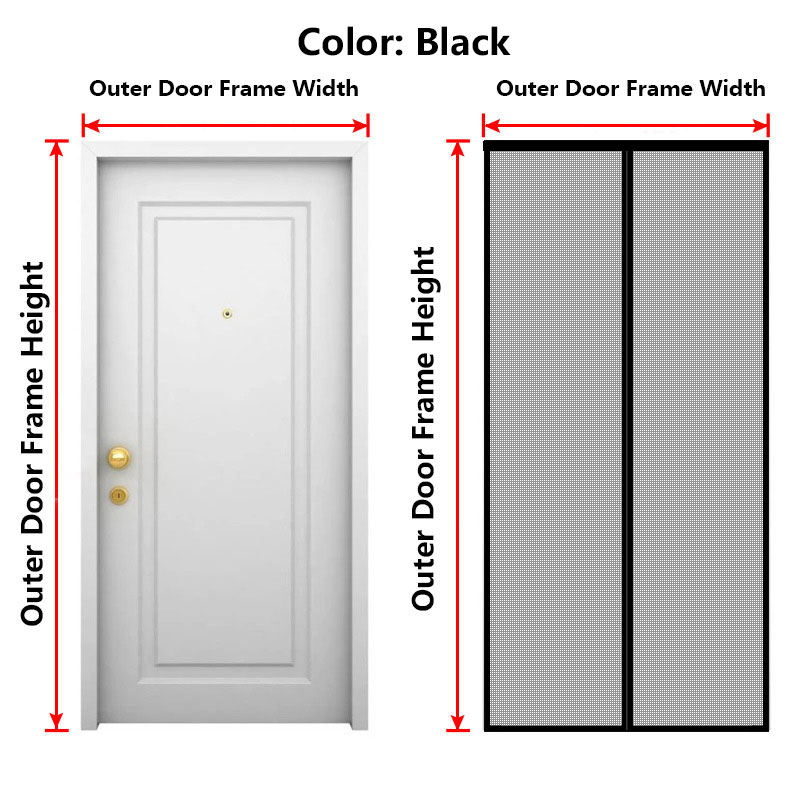 Measuring & Installation
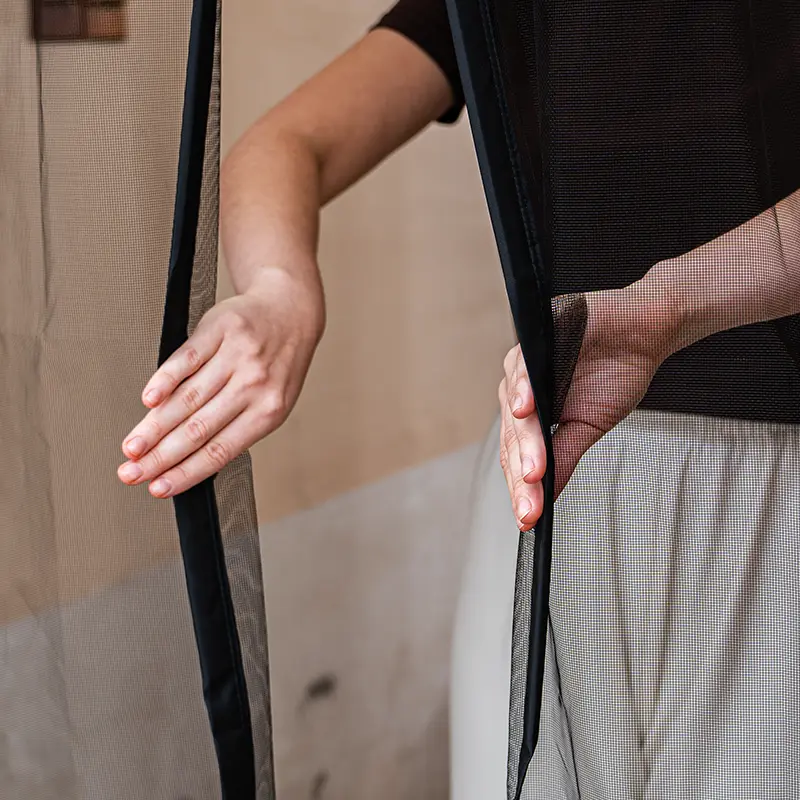 Measuring & Installation