Why Humidity Rooms Need Special Attention
Bathrooms and laundry rooms have different environmental demands than the rest of your home:
Bathroom challenges:
- Humidity from showers and baths
- Temperature swings (hot steam vs. cool air)
- Mold and mildew risk
- Privacy considerations
- Often small, enclosed spaces
- Need ventilation without privacy loss
Laundry room challenges:
- Constant humidity from dryer exhaust
- Lint in the air
- Variable temperatures
- Often located in basements or mudrooms
- Need to vent to the outside
- High-traffic when doing laundry
Basement challenges:
- Ground moisture infiltration
- Often no windows
- Must manage humidity from the rest of the home
- Sometimes have walkout entries to yards
The Ventilation Imperative
Both bathrooms and laundry rooms need ventilation more than almost any other room:
Why Bathrooms Must Ventilate
- Mold prevention: Bathrooms not properly ventilated develop black mold within 24— hours of a steamy shower
- Moisture damage: Persistent humidity damages walls, ceilings, and fixtures
- Air quality: Stale bathroom air affects the whole home
- Comfort: Humid bathrooms feel hotter and more uncomfortable
Why Laundry Rooms Must Ventilate
- Dryer efficiency: Vented dryers work better with good airflow
- Moisture removal: Each dryer load releases significant humidity into your home
- Lint management: Ventilation helps control lint buildup
- Mildew prevention: Basement laundry rooms are especially vulnerable
The Problem with Traditional Approaches
Bathroom windows only:
- Can't leave windows open for privacy
- Insects enter through open bathroom windows
- Weather exposure (rain, cold) through windows
- Security concerns
Exhaust fans only:
- Only work while running (usually 20— minutes after shower)
- Miss humidity that builds up between uses
- Use electricity (small but real ongoing cost)
- Don't provide fresh air exchange
Traditional screen doors:
- Privacy issues in bathrooms
- High humidity damages standard mesh
- Mold grows on standard screens in bathrooms
- Rust and corrosion on metal components
- Not designed for moisture exposure
Magnetic Screen Doors: The Humidity Room Solution
For Bathrooms: Privacy + Ventilation
The privacy solution:
Bathroom doors are used differently than other doors. You need:
- Ventilation when the room is unoccupied
- Privacy when occupied
- Protection from humidity damage
A magnetic screen door on a bathroom doesn't replace privacy— works alongside it:
- The bathroom door itself provides privacy
- The magnetic screen allows ventilation when the bathroom is unoccupied
- Humidity escapes between uses
- Mold and mildew risk drops dramatically
Best configuration for bathrooms:
- Mesh: Durable fiberglass mesh —esists moisture and mold better than fiberglass
- Magnetic closure: Wind-resistant magnetic closure —athroom doors often face vent locations or windows creating airflow
- Adhesive: Standard installation
- Frame color: Match bathroom door trim
Installation tips for bathrooms:
- Install on the exterior-facing bathroom door (not interior)
- Ensure the screen doesn't interfere with the primary door hardware
- For basement bathrooms, consider extra adhesive due to humidity
- Clean mesh monthly to prevent mold buildup
For Laundry Rooms: Ventilation + Protection
The laundry room solution:
Laundry rooms benefit from continuous ventilation:
- Humidity from each load dissipates naturally
- Lint is less likely to accumulate
- The room stays fresher between loads
- No need to run fans constantly
Best configuration for laundry rooms:
- Mesh: Durable fiberglass mesh —andles lint and humidity better than fiberglass
- Magnetic closure: Standard
- Adhesive: Extra adhesive strips —aundry room doors often see more stress from carts and baskets
- Frame color: Match laundry room door
Installation tips for laundry rooms:
- Ensure the screen doesn't interfere with laundry cart movement
- Consider placement so the door opens away from the laundry area
- Clean lint from mesh more frequently than other locations
- For basement laundry rooms, extra adhesive is essential
For Basements: Managing Moisture Below Grade
The basement challenge:
Basements present a unique combination:
- Moisture seeps through foundation walls
- Limited windows for ventilation
- Humidity from upstairs activities settles below
- Walkout basement entries are common but underutilized
The magnetic screen door solution:
A magnetic screen door on a basement entry:
- Allows cross-ventilation when basement windows are open
- Prevents insects from entering through basement doors
- Can stay open while you're working in the basement
- Helps exhaust basement humidity to the outside
Best configuration for basements:
- Mesh: Durable fiberglass mesh —oisture and humidity are constants in basements
- Magnetic closure: Wind-resistant magnetic closure —asements often catch wind from prevailing directions
- Adhesive: Extra adhesive strips —umidity weakens standard adhesive faster
- Frame color: Match basement door or neutral
Installation tips for basements:
- Check adhesive junction more frequently (humidity affects bond)
- Consider a dehumidifier running alongside the magnetic screen
- Clean mesh monthly to prevent mold
- For walkout basements, this is one of the highest-value installations
Combating Mold and Mildew in Magnetic Screens
Why Mold Grows on Screens
Mold needs three things:
- Organic material (dust, skin cells, soap residue)
- Warmth (normal room temperature)
- Moisture (humidity from the room)
Bathrooms and laundry rooms provide all three. The mesh in your magnetic screen door in a bathroom will develop mold if not cleaned.
Prevention: Routine Cleaning
Clean your bathroom/laundry room magnetic screen monthly:
- Remove the screen from adhesive
- Mix 1 cup white vinegar + 1 cup warm water
- Spray both sides of the mesh
- Let sit for 10 minutes
- Scrub gently with a soft brush
- Rinse thoroughly
- Air dry completely before reinstalling
The vinegar solution kills existing mold and prevents future growth.
For Persistent Mold Issues
If mold keeps returning:
- Increase cleaning frequency to bi-weekly
- Use a stronger solution: 1 cup bleach + 1 gallon water
- Ensure the room is being ventilated adequately
- Consider running a small exhaust fan during high-humidity activities
- Check for hidden moisture sources (leaks, seeping foundation)
Mesh Material Matters
Durable fiberglass mesh and mold:
- Fiberglass doesn't absorb moisture
- Fiberglass resists mold growth well
- Easy to clean without damage
- Maintains integrity through repeated mold-cleaning cycles
Heavy duty fiberglass mesh and mold:
- Fiberglass can absorb moisture over time
- Mold can embed in fiberglass more deeply
- Repeated cleaning may degrade the mesh
- May need replacement sooner in very humid conditions
For bathrooms and laundry rooms, heavy duty fiberglass mesh is the clear choice.
Special Configuration: Exterior Basement Entries
The Walkout Basement Opportunity
Many homes have basement entries that lead directly to the backyard. These are:
- Often left closed due to bug concerns
- Underutilized despite being a great feature
- Perfect candidates for magnetic screen doors
The solution:
Install a heavy duty fiberglass mesh on your walkout basement door:
- The basement stays ventilated during yard work
- Fresh air flows into the basement naturally
- No bugs enter through the basement door
- The family uses the basement entry more often
- Basement humidity drops noticeably
Special considerations for exterior basement entries:
- Mesh: Durable fiberglass mesh (exterior exposure + humidity)
- Magnetic closure: Wind-resistant magnetic closure (basement entries catch wind)
- Adhesive: Extra adhesive strips (exterior humidity weakens adhesive)
- Frame color: Match your basement door
- Seasonal: Consider removing during winter in cold climates
Ventilation Strategies by Room Type
Bathroom Ventilation Setup
Option 1: Screen Door Only
- Magnetic screen on bathroom exterior door
- Works when bathroom is unoccupied
- Best for guest bathrooms and low-traffic restrooms
Option 2: Screen Door + Fan
- Magnetic screen on bathroom door
- Run exhaust fan during and after showers
- Combined approach handles heavy use
Option 3: Screen Door + Window
- Magnetic screen on door
- Open window opposite the door
- Creates cross-ventilation in bathroom
- Works when privacy isn't a concern
Laundry Room Ventilation Setup
Option 1: Screen Door Continuous Ventilation
- Magnetic screen on laundry room door
- Leave open whenever laundry isn't in use
- Natural airflow handles humidity between loads
Option 2: Screen Door + Dryer Vent
- Magnetic screen on door
- Ensure dryer is properly vented outside
- Combined approach handles dryer humidity
Option 3: Screen Door + Dehumidifier
- Magnetic screen on door
- Run dehumidifier during humid months
- Natural ventilation + mechanical drying
Basement Ventilation Setup
Option 1: Walkout Basement Entry
- Magnetic screen on walkout basement door
- Open when working in basement
- Close during humid summer nights
Option 2: Screen Door + Window
- Magnetic screen on basement door
- Open basement windows for cross-ventilation
- Creates strong airflow through basement
Option 3: Screen Door + Air Exchanger
- Magnetic screen on basement door
- Run air exchanger during humid seasons
- Mechanical + natural ventilation combo
Humidity Room Maintenance Schedule
| Task |
Frequency |
Why |
| Vinegar clean mesh |
Monthly |
Prevent mold and mildew |
| Adhesive inspection |
Monthly |
Humidity weakens bond |
| Visual check for mold |
Weekly |
Catch problems early |
| Dryer vent check |
Seasonally |
Ensure proper venting |
| Seal inspection |
Monthly |
Humidity finds gaps |
"My basement laundry room was always humid and musty. I put a magnetic screen on the walkout basement door and now I actually enjoy doing laundry down there. The humidity is gone." —hris, Minneapolis
"Guest bathroom had a mold problem no matter what we did. Turned out we were trapping humidity by keeping the door closed. The magnetic screen lets it breathe now. No more black spots on the ceiling." —aren, Houston
"I thought I'd never be able to air out my basement workshop. The magnetic screen on the walkout door changed everything. Now I can work down there with the door open and no bugs." —ike, Portland
Quick Troubleshooting for Humidity Rooms
Problem: Adhesive keeps failing in bathroom
- Cause: Excessive humidity weakening the bond
- Fix: Extra adhesive strips, more frequent inspection, improve room ventilation
Problem: Mold keeps coming back on mesh
- Cause: Inadequate cleaning or ventilation
- Fix: Vinegar solution clean, increase frequency, add exhaust fan
Problem: Screen feels damp or looks wet
- Cause: Room humidity too high
- Fix: Improve room ventilation, run dehumidifier, check for water leaks
Problem: Mesh has changed color (yellowing)
- Cause: Moisture damage or UV exposure (if exterior)
- Fix: Clean with vinegar solution; if persistent, may need replacement
Problem: Laundry room still humid with screen open
- Cause: Dryer not properly vented, or humidity from upstairs settling
- Fix: Check dryer vent, consider running dehumidifier, improve upstairs ventilation
Choosing the Right Configuration
Bathroom Configuration Summary
| Feature |
Recommendation |
Reason |
| Mesh |
Heavy duty fiberglass |
Moisture and mold resistance |
| Closure |
Wind-resistant (standard) |
Standard bathrooms aren't extremely windy |
| Adhesive |
Standard (extra for basements) |
Normal bathroom humidity |
| Color |
Match bathroom door |
Aesthetics matter in bathrooms |
Laundry Room Configuration Summary
| Feature |
Recommendation |
Reason |
| Mesh |
Heavy duty fiberglass |
Lint resistance, moisture |
| Closure |
Standard |
Laundry rooms aren't windy |
| Adhesive |
Extra |
Carts and baskets stress adhesive |
| Color |
Match laundry door |
Coordinate with space |
Basement Configuration Summary
| Feature |
Recommendation |
Reason |
| Mesh |
Heavy duty fiberglass |
Constant below-grade humidity |
| Closure |
Wind-resistant |
Basement entries catch wind |
| Adhesive |
Extra |
Humidity weakens adhesive faster |
| Color |
Match basement door |
Match existing door |
Don't let humidity damage your home. Get your custom magnetic screen door at zoorscreen.com—e the online screen door configurator to build the right configuration for your bathroom, laundry room, or basement.
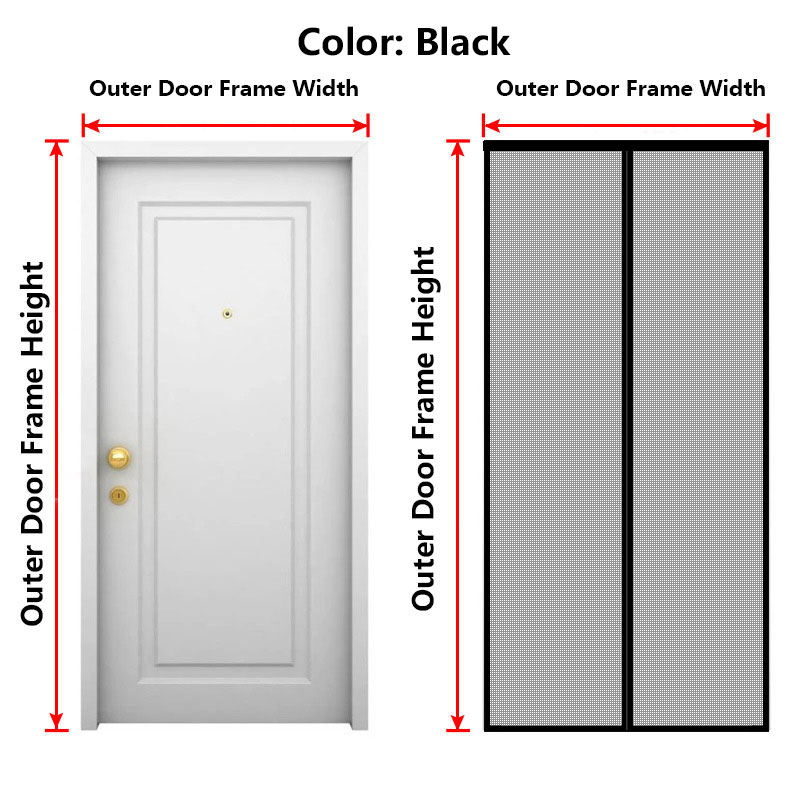 Measuring & Installation
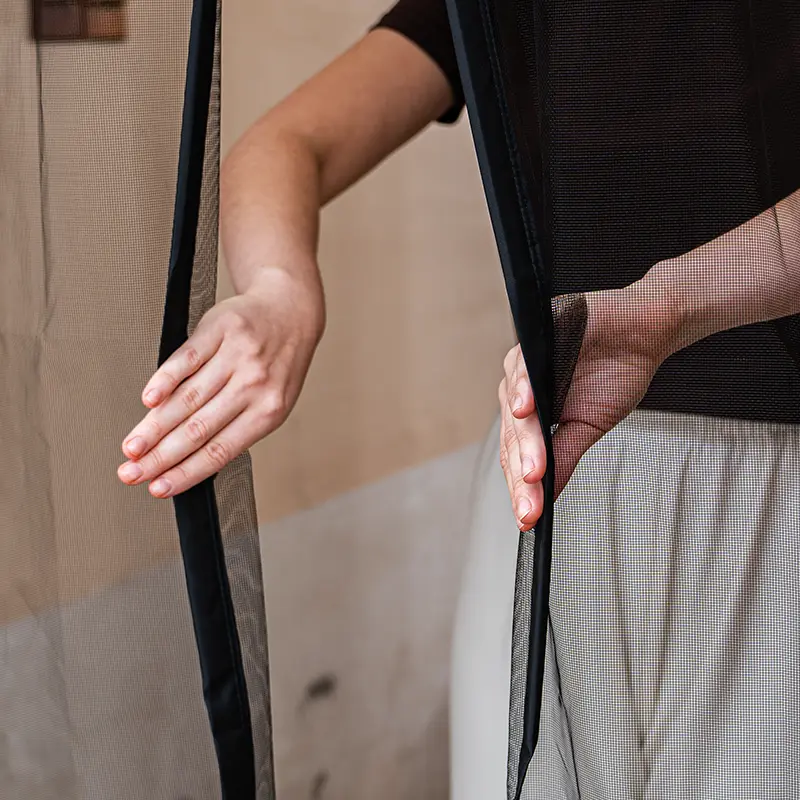 Measuring & Installation